


STOCKTON-DELTA A.R.C. MONDAY NIGHT NET DIALOGUE for Net Control Station operators QST, QST, QST, all radio amateurs. This is [call sign] in [city], opening the Stockton-Delta Amateur Radio Club weekly net. This net is held each Monday evening on the W6SF repeater system on 147.165 and 442.250 mHz, with a PL tone of 107.2. This is a directed net. Please do not transmit unless called by net control. The purpose of our net is to carry out amateur radio communication on behalf of our club members and all other hams who would like to join in. Guests are always welcome on this net, and we especially invite check-ins by new licensees—anyone who received their first ham license within the past year. When you check in, please state your name, your call sign, your location, and whether you have traffic or announcements. Stations having priority or emergency traffic may break into the net at any time by saying “break” followed by their call sign. Please do not leave the net without calling net control in order to check out. To begin, check-ins are now invited by: Club President: Steve, KN6ZJJ Vice President: Mark, W6SXA Secretary: Austin KO6BPX Treasurer: Joyce, K6QBQ Member at large: Tim, KN6PYJ San Joaquin County Emergency Coordinator: Dan, N6ZDH ARRL Pacific Division Vice-Director: John, NZ6Q We’ll now invite check-ins from other members and guests. After everyone is checked in, I will call upon each of you to give a brief report of your week in ham radio plus any other comments that you might have for the club or the net. We’ll end the net with a roundtable discussion, during which you will be welcome to offer questions or comments on any ham radio topic. We’ll now take check-ins by the first letter of your call sign suffix. For new hams, your suffix is that portion of your call sign after the numeral—the “6” for most of you. We’ll begin with call sign suffixes “A” through “F,” Alfa through Foxtrot. Call net control now. • Alfa – Foxtrot • Golf – Lima • Mike – Romeo • Sierra – Zulu • all call signs, Alfa – Zulu Is there anyone else who would like to check in? Everyone is welcome. Call net control now, this is [call sign]. [ After all check-ins are complete, call each station for his/her report, officers and ARRL officials first. — Officers and ARRL officials will give their club business and personal reports in just one transmission. — After all have given their reports, call for late check-ins, then…. ] If there are no further check-ins, we are now open for roundtable discussion on any ham radio topic. If you have a question or comment for the roundtable, call net control now. [ When all roundtable discussion has ended…. ] That concludes the roundtable. The Stockton-Delta Amateur Radio Club meets on the second Thursday of each month at the Stockon Sailing Club, 4980 Buckley Cove Way, at the west end of March Lane in Stockton. The next meeting will be on [day, date] at 1900 hours, and everyone interested in amateur radio is encouraged to attend. For more information, see the club’s website at W6SF.org. On other Thursdays, we have a 40-meter NVIS net at 7:00 pm at approximately 7.214 Mhz plus or minus 5Khz, lower sideband. This is an informal net with no net control or log in. Anyone with a general class license or higher is encouraged to participate. Also, on the same evening at 8:00 pm we have an informal 10-meter net on 28.457 Mhz, upper sideband. Everyone with a current amateur radio license is invited to check in and join the fun on 10-meter simplex. The net is now closed at [time], and the repeater system is restored to normal operation. Thanks to everyone who checked in. This is [call sign] saying 73 and good night. NET CONTROL SCHEDULE July 6 Brian KD6SSN 13 Paul N6KZW 20 Bob N6TCE 27 Steve KN6ZJJ August 3 Brian KD6SSN 10 Dave N6LHL 17 John NZ6Q 24 Paul N6KZW 31 Bob N6TCE Sept. 7 Steve KN6ZJJ 14 Brian KD6SSN 21 Dave N6LHL 28 John NZ6Q Oct. 5 Paul N6KZW |
Net Control 101: Connecting Amateur Operators on the Air
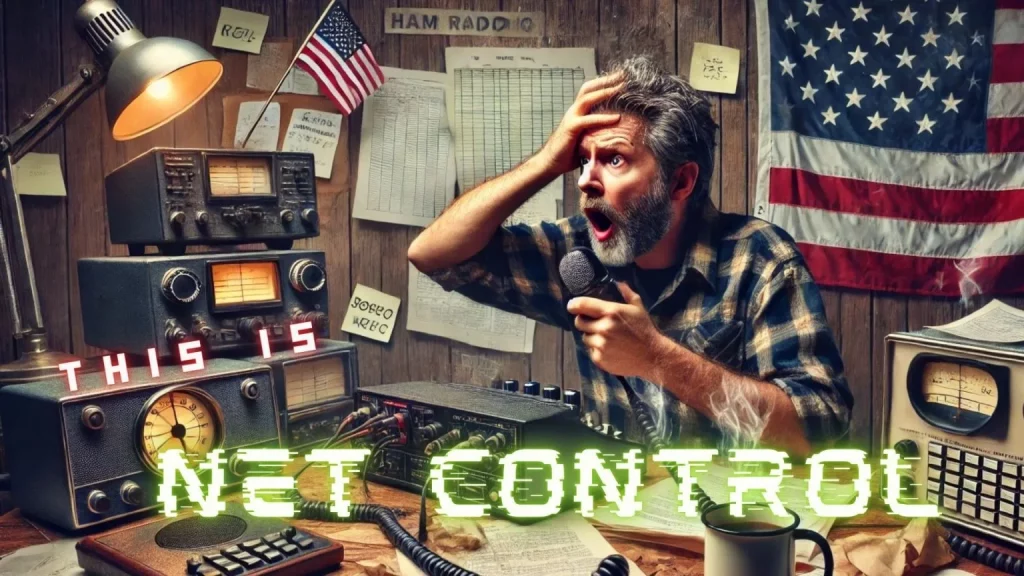
Have you ever wondered what it takes to be the person steering the ship during a net on your local repeater? It’s probably more than you think. I’ve recently started running a few of my local nets, and I’d like to share my experience. I won’t lie—it’s a little nerve-racking at first. During my first net (and even now, at times), my heart raced as I held my pen, ready to welcome fellow operators onto the airwaves.
In this blog post, I’ll share my insights on what net control is, why it matters, and how you, too, can take on this rewarding role in the amateur radio community.
Understanding the Role of a Net Control Operator
What is a Net Control Operator?
A net control operator is the person who manages radio traffic during a net. Think of them as the conductor of an orchestra, driver of the bus, host of a show. They ensure that every operator gets a chance to speak, and that communication flows smoothly. They keep the net organized and efficient, making sure everyone knows when it’s their turn to talk. This role is crucial in amateur radio, especially during busy nets.
Why is Net Control Important in Amateur Radio?
In amateur radio, nets serve as a platform for operators to communicate. The net control operator plays a pivotal role in this. They help maintain order and clarity, ensuring that messages are transmitted clearly and without confusion. Without a net control operator, nets could quickly become chaotic.
- Facilitates Communication: They ensure that all operators can participate and that their messages are heard.
- Manages Time: They keep the net running on schedule, which is especially important during emergency situations.
- Encourages Participation: A good net control operator makes everyone feel welcome, fostering a community spirit.
Contribution to Public Service
One of the most rewarding aspects of being a net control operator is the opportunity to serve the community. Amateur radio isn’t just about chatting—it’s about providing a vital public service when needed. Net control operators often play a crucial role in emergency communications, coordinating information flow to keep people informed and safe during crises.
The importance of net control stations became clear in the days after Hurricane Helene, when operators stepped up to fill the communication gap. They received national attention for their efforts, keeping information flowing when all other forms of communication were down for days and even weeks after the storm.
The FCC Part 97 rules highlight the importance of amateur radio as a voluntary noncommercial communication service. This means that operators, like net control, are recognized for their role in enhancing public safety and welfare. It’s a responsibility that many take seriously.
How Many Nets Operate Locally?
In many areas, there are numerous nets operating weekly. These nets can range from casual swap meets to serious traffic nets. The local amateur radio community often organizes them, providing a platform for operators to connect and share information. The estimated number of nets in your area might surprise you! I have over 12 nets a week in my local area alone!
Getting Started as a Net Control Operator
So, how do you become a net control operator? The good news is, it doesn’t take much! You’ll need some basic equipment, like a reliable radio and a clear script to follow. It’s a lot like preparing for a public speaking event—you wouldn’t go on stage without knowing your material, right?
Start by listening to nets, attending club meetings, learning callsigns and how other controllers conduct the net. Most clubs or nets are always looking for alternates or volunteers to step in. Inquire about your interest with other net controllers, get a copy of the script (or create one that follows the net’s format), and most importantly—be willing to face any fears you have about leading a net and just DO IT!
As you begin your journey, remember that practice makes perfect. The more you participate, the more comfortable you’ll become. And don’t worry if you stumble at first. Everyone starts somewhere.
Essentials for Net Control Operations
When it comes to net control operations, having the right equipment, signal and tool are essential. It can make the difference between a smooth-running net and one that feels chaotic. So, what do you really need? Let’s break it down.
1. In General, Good Equipment and Signal
First off, let’s talk about what you’ll need in general. Regardless of which radio or other tools you choose, two essential ingredients for being an effective net control operator are:
- A Reliable Radio:Your radio needs to perform when it matters most. The radios I use for net control are the same ones I use every day—I know how they work and how they perform in different situations.
- Have a Good Signal: Make sure your Net Control Station has a strong, clear signal into the repeater. If you can’t get a solid signal in, then that’s probably not the right net for you to call.
2. Benefits of Using a Base Station Over a Handheld
The choice of radio is key for effective communication. You might be tempted to use a handheld radio, also known as an HT. I get it; they’re portable and easy to use. However, I recommend going for a base station instead. Why? Because a base station offers better audio quality and reception. It’s like comparing a bicycle to a car; both will get you somewhere, but one is just a lot more comfortable and reliable.
What are the advantages of using a base station for net control operations? Here are a few key points:
- Audio Quality: Base stations generally provide clearer audio, which is essential for community interaction.
- Reception: A base station’s external antenna can significantly improve reception, allowing you to hear all stations clearly.
- Comfort: Operating from a stationary position allows you to focus on managing the net rather than juggling equipment.
In short, using a base station can enhance the overall experience for everyone involved. A clean signal is essential for effective communication during nets. If you can hear everyone clearly, you’re already ahead of the game.
3. Common Tools for a Smooth Operation
Now, let’s not forget about tools. These can make your life easier when you’re running the net:
- Logbook: Keeping a record of check-ins is vital. I prefer using a steno notebook for its convenience, but any method that works for you is fine.
- Writing Tools: Spare pens or pencils should always be on hand. You don’t want to be scrambling for a pen when someone is checking in!
- Beverages: Staying hydrated is key, especially during long nets. I always keep a bottle of water nearby.
These little things can make a big difference. When you have everything ready, you can focus on the net instead of worrying about your supplies.
The Power of a Good Script
Have you ever felt anxious before stepping into a new role? It’s a common experience in ham radio. Many new operators feel this way, especially when taking on the role of net control. But here’s the good news: a well-crafted script can help ease that anxiety. It acts as a roadmap, guiding you through the process with confidence.
Structure of a Net Control Script
What does a typical net control script look like? It usually includes several key components:
- Preabmbe: Preamble is a standardized opening script used by a Net Control Operator to formally start a directed net in amateur radio operations. The preamble sets the tone, outlines the purpose of the net, and provides necessary instructions for participants.
- Greetings/Routine or Emergency Traffic: Start with a friendly welcome, and ask if there is any traffic, announcements, or emergencies that need to be addressed.
- Check-ins: This is where stations announce their presence. It’s crucial to keep track/log of who’s participating.
- Closing announcements: Wrap things up with any final notes or reminders.
- Common Courtesies and Acknowledgments: Recognize the repeater owner or the club hosting the net. Thank them for their support, and express appreciation to others for participating in the net.
Each of these components plays a vital role in ensuring the net runs smoothly. The script ensures that you don’t miss any essential parts. It’s like a recipe; if you skip an ingredient, the dish might not turn out right.
Why Predictability Matters
Have you ever been in a situation where things felt chaotic? It can be overwhelming. That’s why predictability is so important in net control operations. When everyone knows what to expect, it creates a sense of order. This is especially helpful for new operators who may feel nervous. A predictable structure allows them to focus on their role without worrying about what comes next. This encapsulates the essence of why scripts are so valuable. They provide a framework that keeps the net flowing smoothly. When operators know what to expect, they can engage more confidently.
Tips for Scripting Effectively
Now that we understand the importance of a good script, let’s look at some tips for crafting one:
- Keep it simple: Use straightforward language. Avoid jargon unless it’s necessary.
- Practice: Run through your script before the net. Familiarity breeds confidence.
- Be flexible: While scripts are essential, don’t be afraid to adapt as needed. Each net may have its unique flow.
- Engage with participants: Use names when addressing check-ins. It personalizes the experience.
These tips can help you create a script that not only guides you but also enhances the overall experience for everyone involved. Remember, the goal is to create a welcoming environment where all participants feel valued.
Tips and Tricks for Success as a New Net Control Operator
1. Handling Nerves and Making the Net Fun
First things first, how do you handle those pesky nerves? It’s all about preparation and practice. The more you familiarize yourself with the net procedures, the more confident you’ll feel. I remember my first net; I was terrified I’d forget something important. But I had my script handy. It guided me through the process.
To make the net fun, try to inject some light-heartedness into your interactions. Use humor when appropriate. Maybe share a funny story or a light joke. This helps to create a relaxed atmosphere. After all, we’re here to enjoy ourselves, right?
2. Importance of Familiarity with Regular Participants
Knowing your regular participants can be a game-changer. It creates a sense of community. When you recognize voices or call signs, it’s easier to engage with them. Plus, it fosters a supportive environment. People are more likely to participate when they feel comfortable. This simple act can make a huge difference. When participants hear their name, it adds a personal touch that enhances their experience. So, keep a list of frequent callers handy. It helps to have a reference when you’re unsure of a name.
3. Creating a Welcoming Atmosphere
An inviting atmosphere is crucial for a successful net. Start by being punctual. If you’re late, it can lead to confusion. Trust me, ham radio operators are known for their impatience. A minute late, and you might hear kerchunking as they check if the repeater is working. Make sure your space is organized. Have your log, pens, and any other supplies ready before the net starts. This way, you won’t be scrambling around when it’s time to take check-ins. I like to keep a water bottle nearby. Staying hydrated helps keep my mind clear. Another tip is to maintain a friendly tone. Your voice sets the tone for the net.
4. Practice Makes Perfect
Getting used to the responsibility of leading a net takes time. As I mentioned earlier, practice is key. Before you take the lead, try logging check-ins when someone else is in charge. This will help you get a feel for the flow of the net. You’ll start recognizing voices and calls, which will boost your confidence.
Don’t worry if you can’t copy all the call signs at first. It’s normal! Experienced operators make it look effortless, but they’ve had their share of practice too. Keep a list of frequent callers, and don’t hesitate to ask for clarification if needed.
Wrapping Up
Stepping into the role of a net control operator might feel intimidating at first, but with the right preparation, equipment, and mindset, it can be an incredibly rewarding experience. Whether you’re helping to maintain order during a routine net, facilitating emergency communications, or simply fostering a sense of community among operators, your role is essential to keeping amateur radio networks running smoothly.
By practicing, using a well-structured script, and familiarizing yourself with regular participants, you’ll build confidence and refine your skills over time. Remember, even the most experienced net controllers started as beginners. The key is to stay patient, keep learning, and most importantly—have fun with it!
So, if you’ve ever thought about taking the mic and leading a net, why not give it a try? Your local amateur radio community will appreciate your efforts, and you might just find that being a net control operator is one of the most fulfilling roles in ham radio.
TL;DR: Becoming a net control operator is about mastering equipment, using scripts effectively, and creating an engaging atmosphere for net participants. You’ll find tips and personal anecdotes to help you lead with confidence and skill.